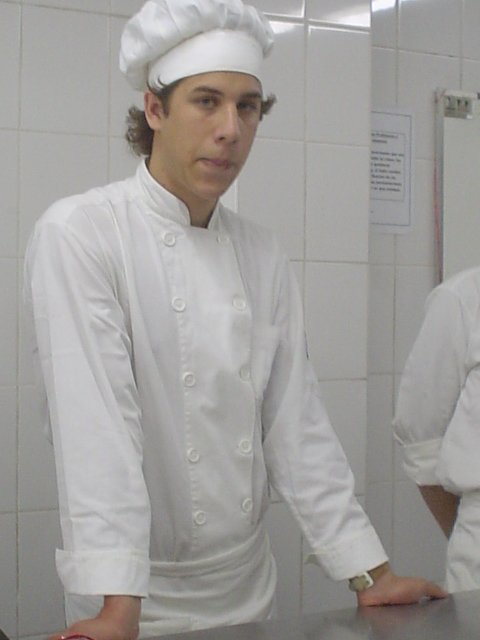
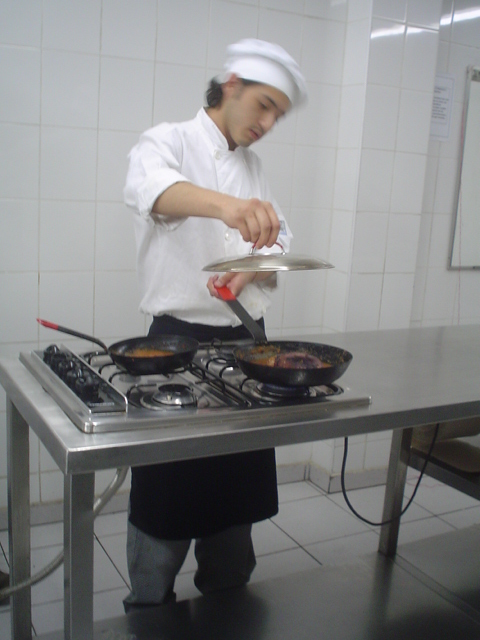
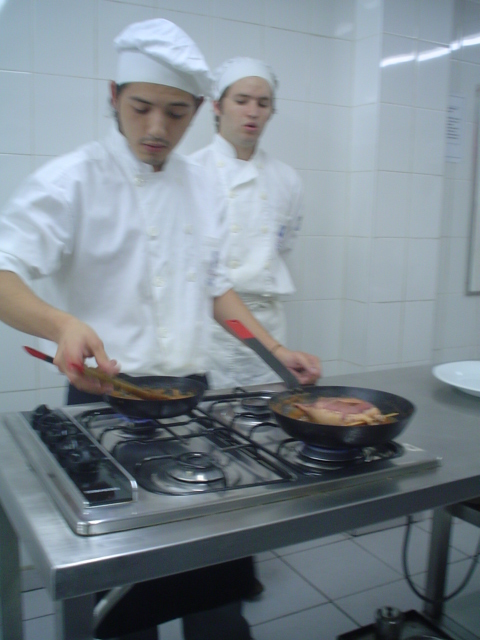
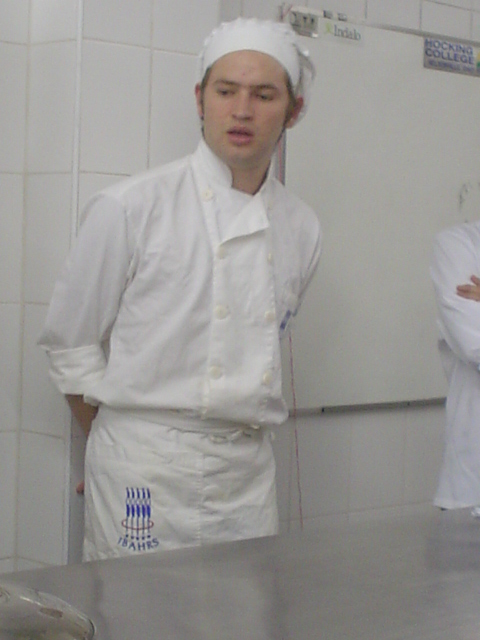
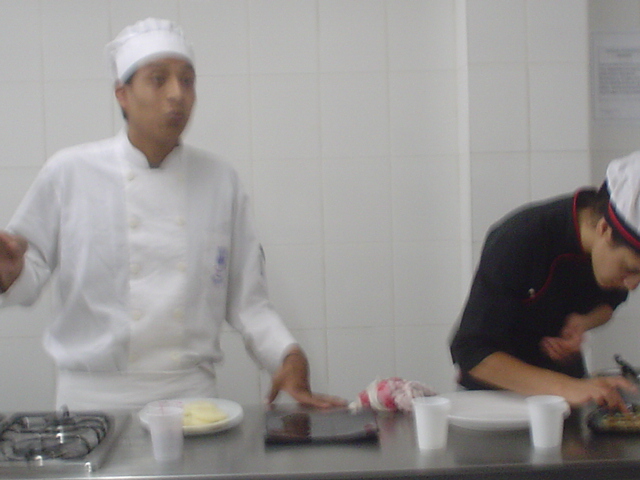
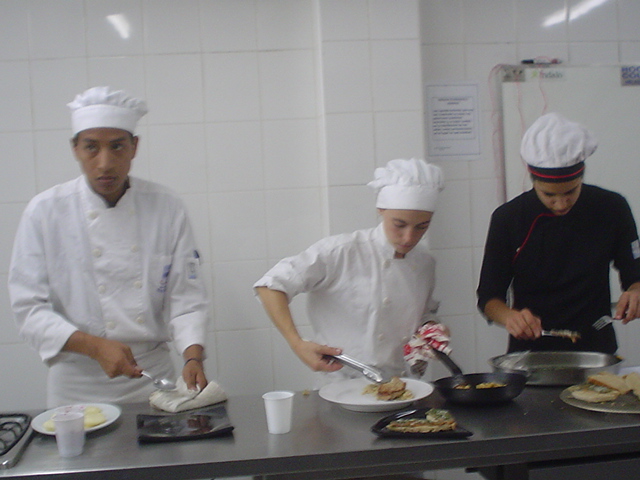
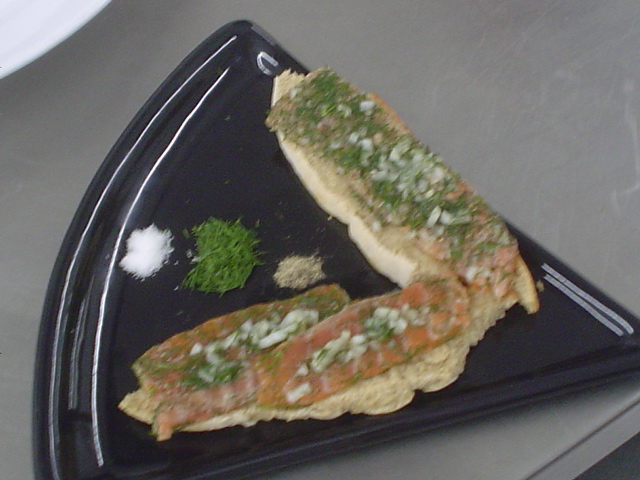
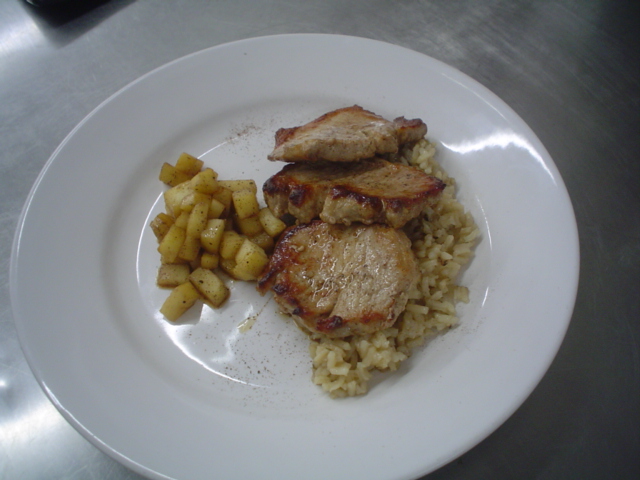
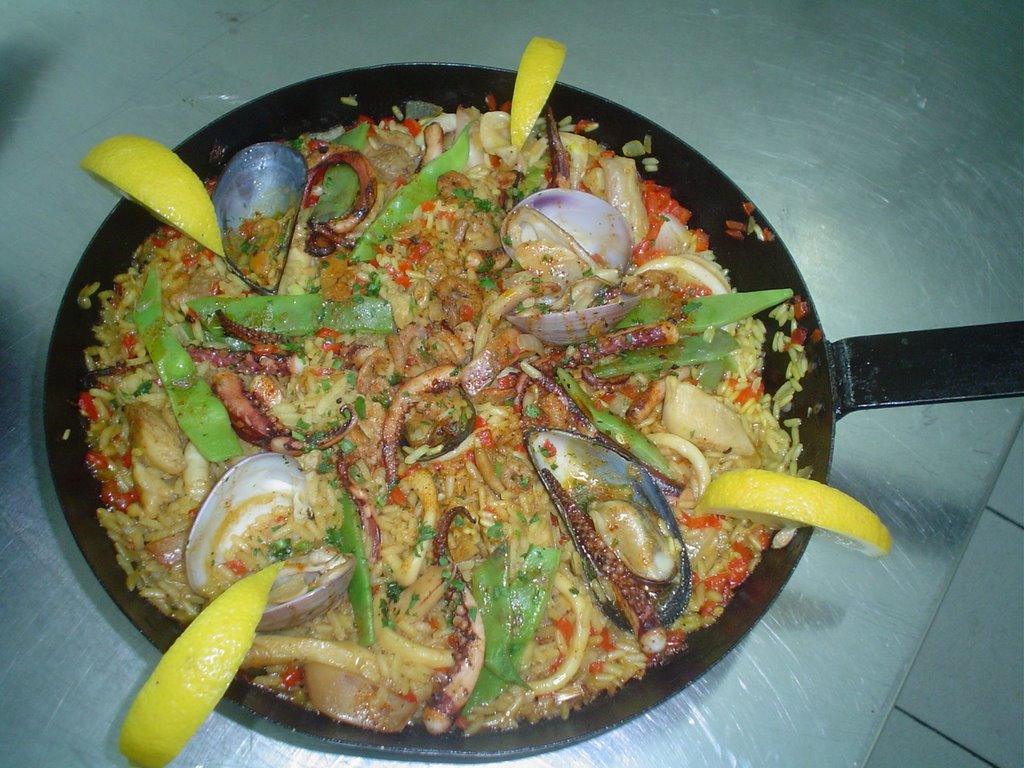
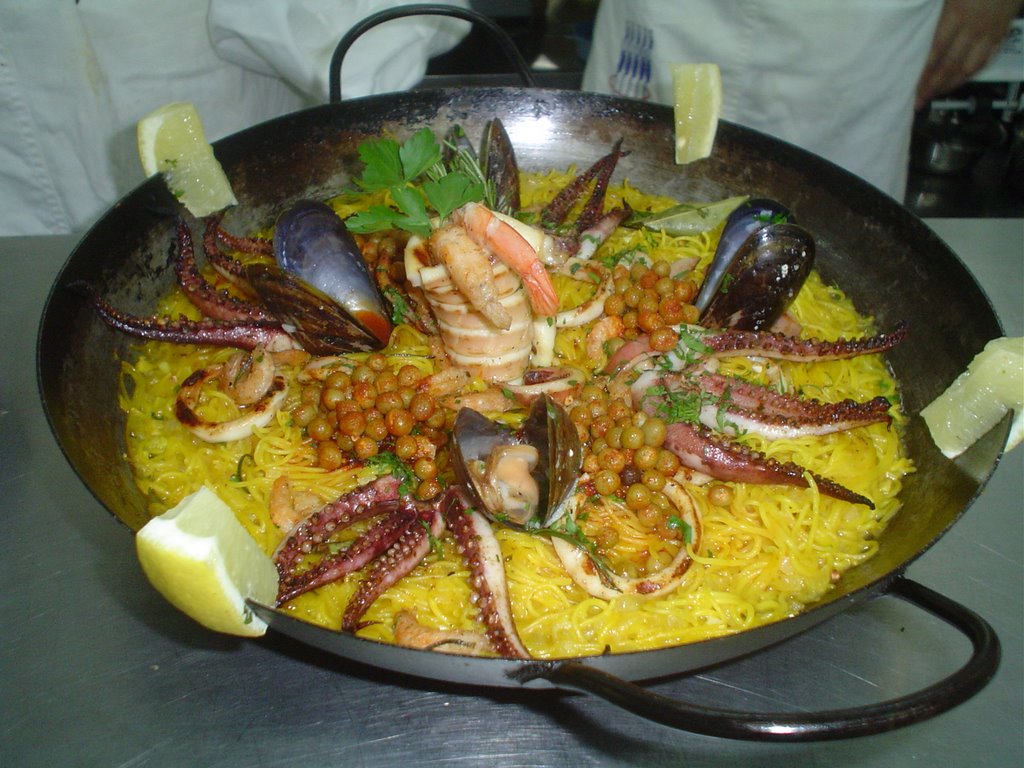
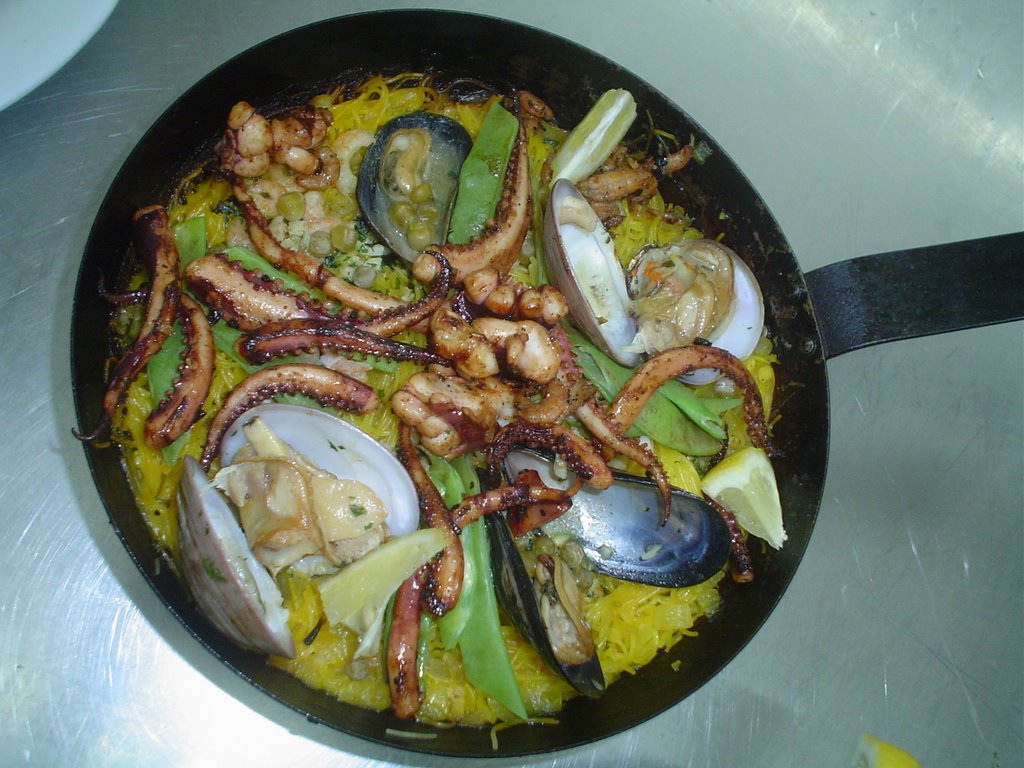
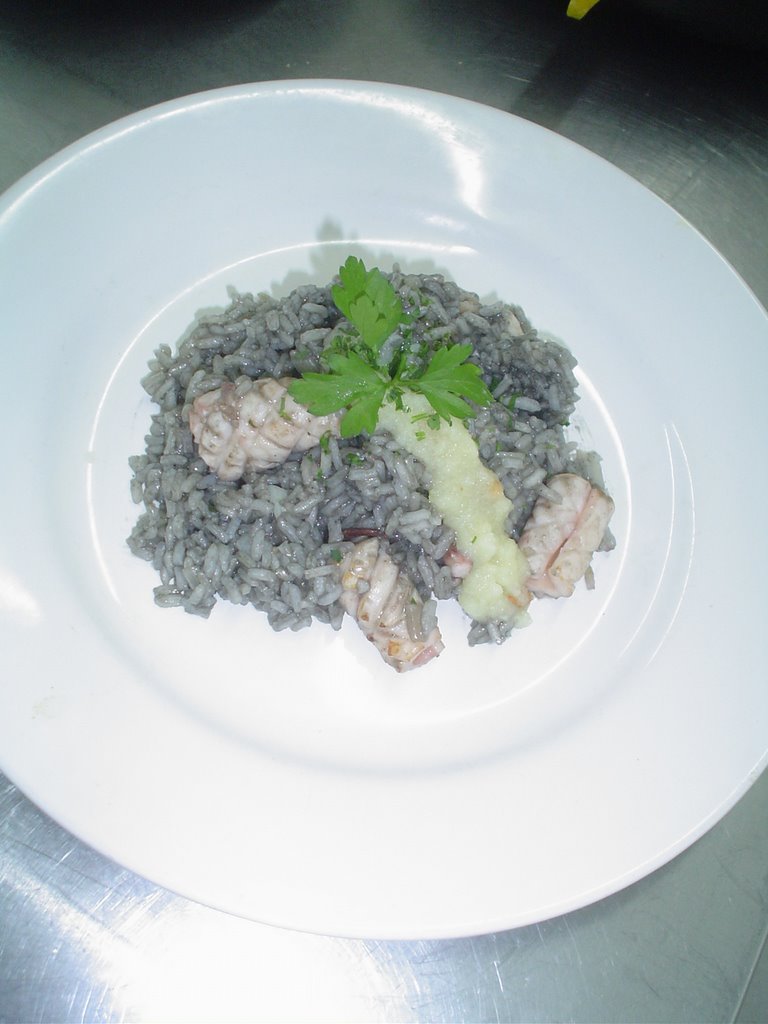
Bueno ahy un experimento en donde ando trabajando es un Bar Pub en Vancouver BC es un resturante normal muy ocupado y con buenas ganancias :P pero ya vendra algo mejor :P
jueves, marzo 12, 2009
lunes, febrero 09, 2009
The vodka Myth or true...
Myth #1: Vodka is made from potatoes.
About one percent of all vodka brands is made from potatoes. Two of those brands are the American-made Blue Ice and the Polish luxury brand Chopin. A few vodkas such as Ciroc are made from grapes. Almost all the rest are distilled from grains, including wheat, rye and (especially) corn.
Myth #2: More distillations = better vodka.
There are two basic types of stills: pot and column stills. Nearly all vodka is column-distilled, as this produces the cleanest (most flavorless) spirit. When people refer to how many times they've distilled a vodka, it usually doesn't mean that they've run it through one column (or pot) still a bunch of times. Rather, they mean that that one still has a bunch of columns. But since it sounds so good to brag about the number of times the product is distilled, everybody does it.
Myth #3: Distillation has the greatest effect on flavor.
Distillation has a big effect, to be sure, but there is a whole lot more to vodka. After distilling, the vodka is filtered and diluted with water (that is also filtered) to reach the desired proof (alcohol content). Most vodka is 60 percent water, so the water in the recipe plays a pretty big role in the flavor. Brands who can do so tend to brag about using glacial spring water (Finlandia) or filtration through lava rock (Reyka).
Myth #4: There are thousands of vodka distilleries, one for each brand.
In the American Midwest, a few huge distilleries crank out generic vodka all day long. This vodka is then either bottled onsite or shipped for processing (dilution, filtering, flavoring, then bottling) somewhere else. A lot of what makes one vodka different from another happens at the individual processing facilities, not at the distillery -- and there aren't all that many processing facilities, either.
Myth #5: There are oranges in your orange-flavored vodka.
The difference between natural and artificial flavors is a technical rather than intuitive one, and your average lemon vodka never had a lemon floating in it. A few brands (Hangar One, Belvedere) actually do infuse fruit into booze, then mix it with vodka to flavor it, but most just add pre-purchased flavoring components to the tank of vodka.
Myth #6: Knowing how vodka is made makes it taste different.
So now that we know how vodka is (and isn't) produced, our brains are smarter -- but our tongues are just as dumb. When professionals do blind taste tests, they're oblivious to all the marketing messages as well as to how the specific brands they're evaluating were made. They, like you, can really only rely on the mouth. If you like how a vodka tastes (and how the bottle or supermodel looks), then go ahead and enjoy it. Just do so responsibly, and now a little more smartly
miércoles, noviembre 29, 2006
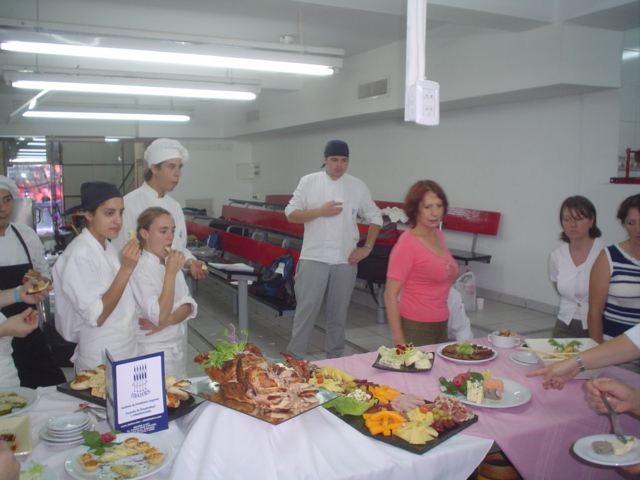
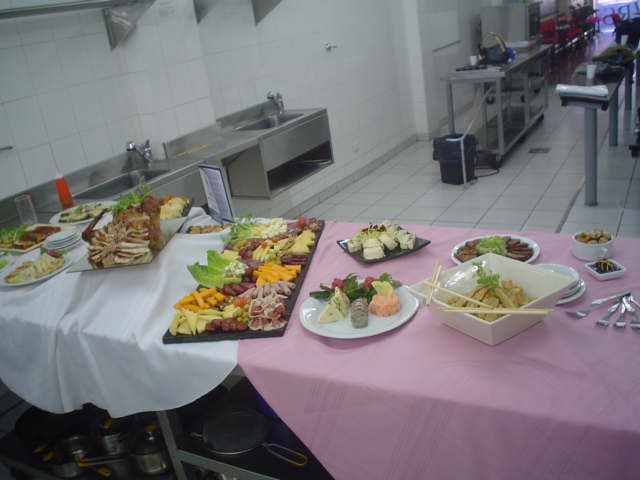
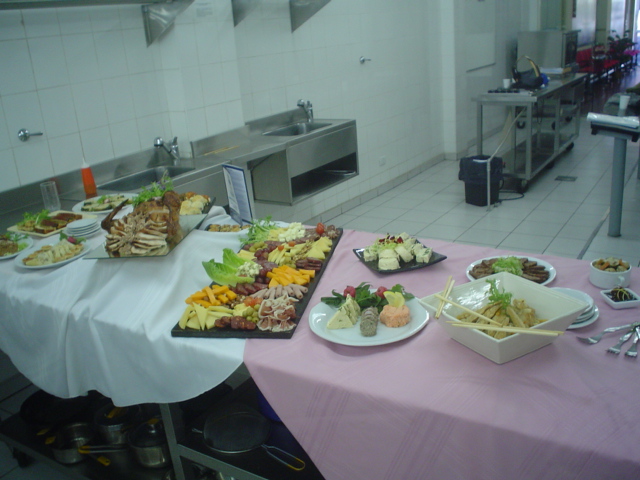
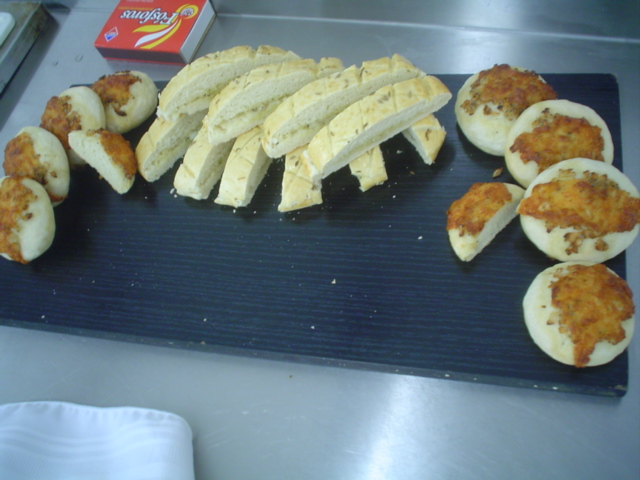
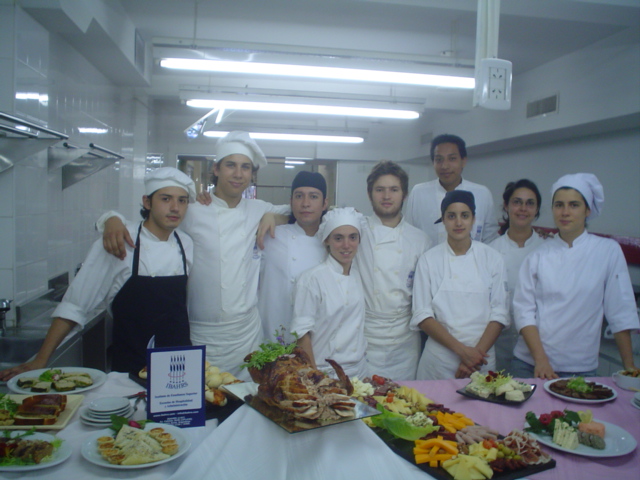
Cocina Fría Final Buffet
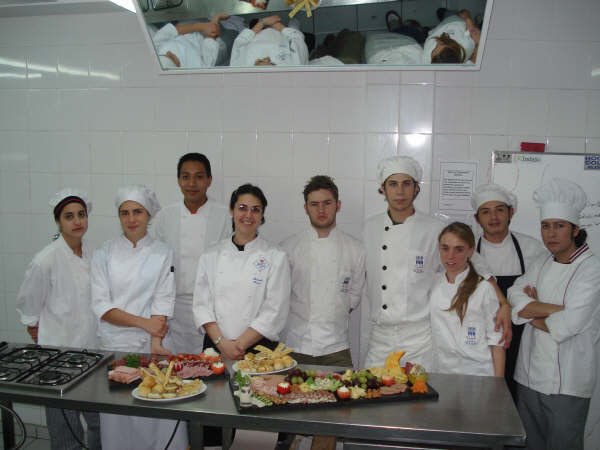
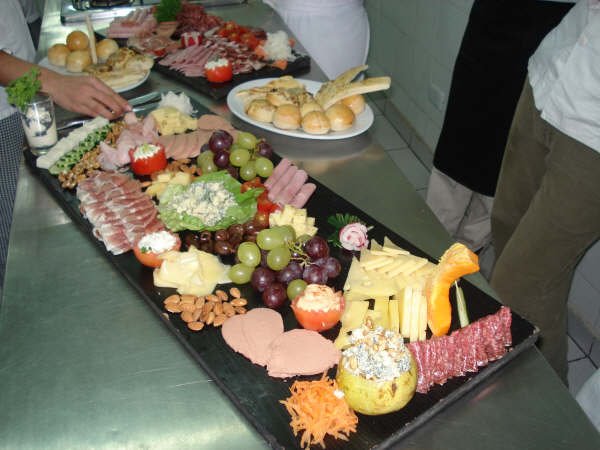
Un ciclo mas los chicos de IBAHRS han culminado una etapa de enseñanza hacerca de la cocina fría, han culminado con exito y para demostrarlo hicieron un buffet digno de ser presentado cada uno aporto en toda la realización del mismo, una ves mas hemos concluido las materias de cocina estas son las ultimas fotos que dejamos con un cuatrimnestre atras y nos vemos el proximo Cuatrimestre y ADELANTE CHICOS NOS FALTA MUY POQUITO Y EN AGOSTO DEL 2007 SOMOS COCINEROS JEJE.....


jueves, noviembre 16, 2006
Regional II Grecia 2do. Grupo
Regional II Dinamarka y Grecia
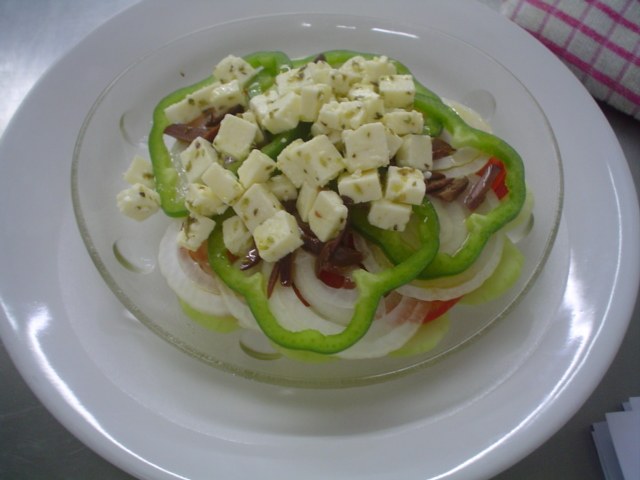
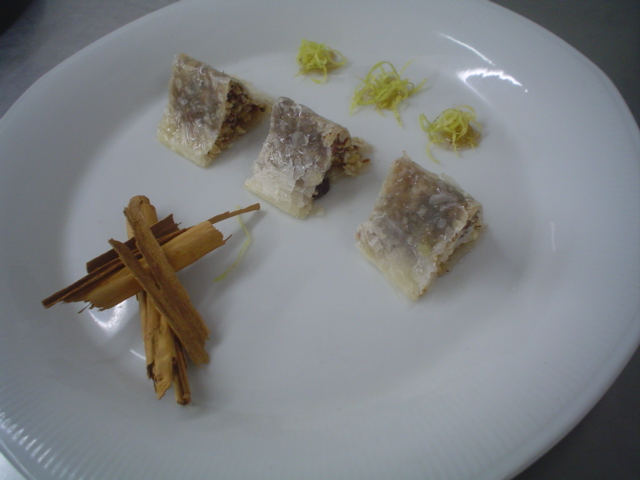
Hola a todos, que lean esto les cuento que el día de ayer culminamos un ciclo mas de conociemto de la gastronomia Europea, conociendo nuevos saboresy mas, esta ves para cerrar el ciclo nos toco realizar una presentación de comida tipica de algún país el cual no hayamos visto Belen, Camila, Lau, y yo elegímos Dinamarca y los otros chicos Alejandro, Gabriel, Carlo y Eze eligieron Greacia, fue muy interesante cocinar con mi grupo ya que nos dedicamos mucho y pienso yo que el otro grupo de igual manera se preparo ya que pusieron musica de fondo me parecio una muy buena idea , yo cuando estaba en la UTE en mi universidad en Ecuador tambien hise presentaciones de un país, y pusimos banderas, hicimos degustacion plato fuerte entrada y postre fue muy interesante pense que aca lo haciamos igual pero aca se dedican mucho mas ha lo que es la tecnica en si de la cocina, por ejemplo en la presentación etc, de ahy fue muy buen ciclo de cocina a todos pienso yo que les encanto la materia Regional II, ya que incluso pedimos que en cocina creativa Walter nuestro chef sea el proximo y ultimo cuatrimestre nuestro chef otraves y bueno ojala se pueda y les dejo con las fotos de los sabores Daneses y Grecos nos vemos hasta la proxima.....


viernes, noviembre 10, 2006
Regional II - Alemania Suiza
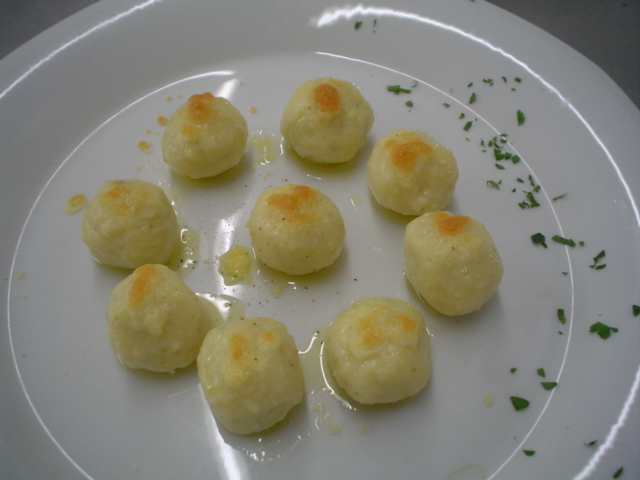
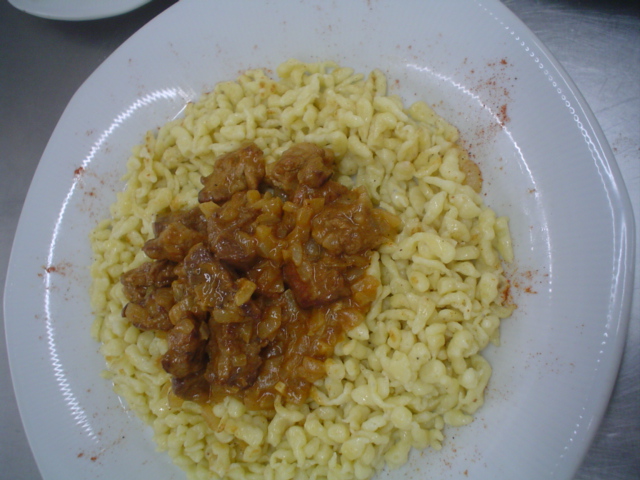
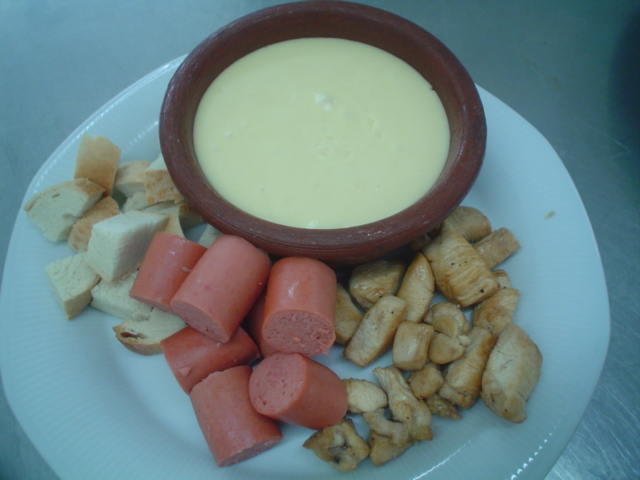
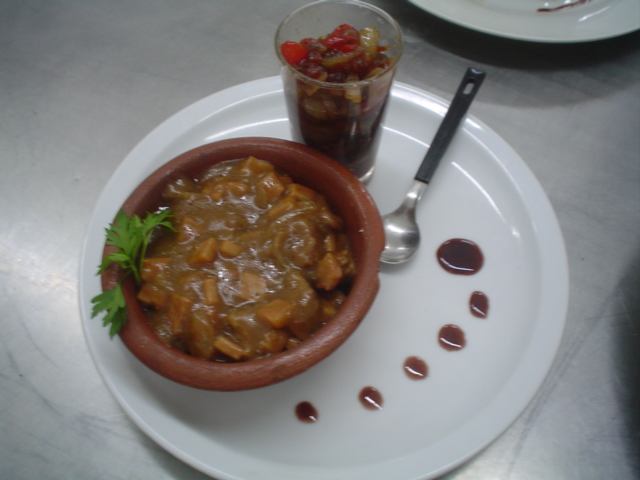
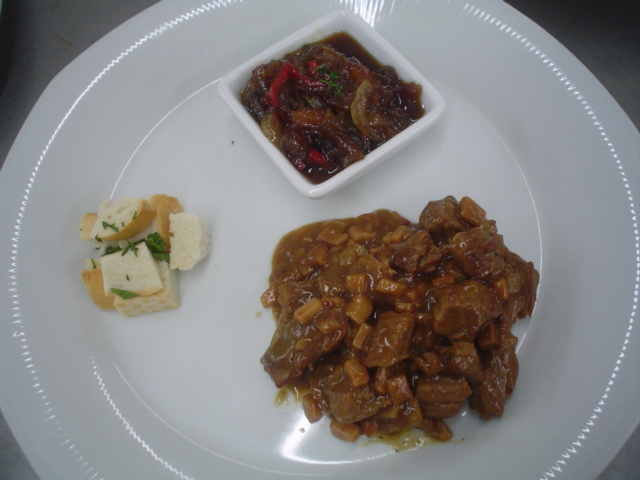
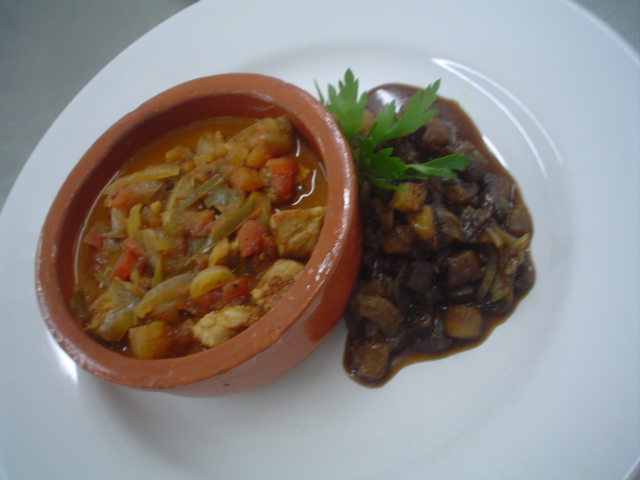
Hola a todos bueno esto del blog me esta un poco molestando ya que se ha vuelto muy lenta la pagina y dificil de subir fotos pero voy ha intenbtar de nuevo, esta ves hemos echo con el curso en cocina Regional Alemania y suiza la cual se basa mucho en comidas que con caliente, y fusión de otros paises, como por ejemplo Italia, tambien todas sus comidas son reducciones en algun medio liquido como un fondo, y usan muchos agridulces , su principal bebida es la cerveza y despues el vino, en cuanto a suiza se basa en el fondio nose como se esceribe porque e sla primera ves que lo probe pero es una técnica muy buena que me enseñaron espero que les guste y nos vemos...
viernes, octubre 20, 2006
cocina Regional II España
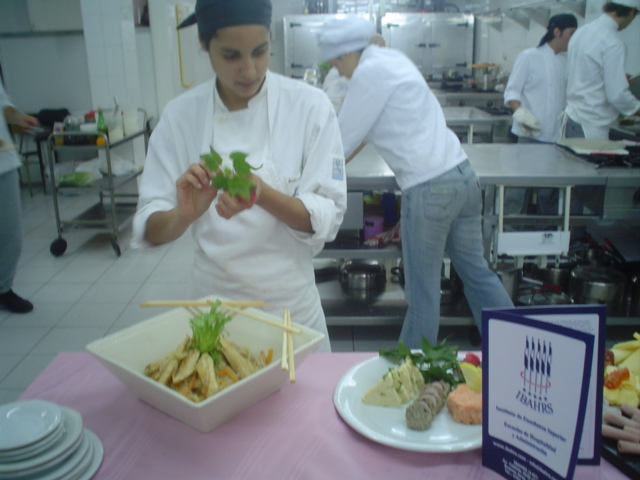
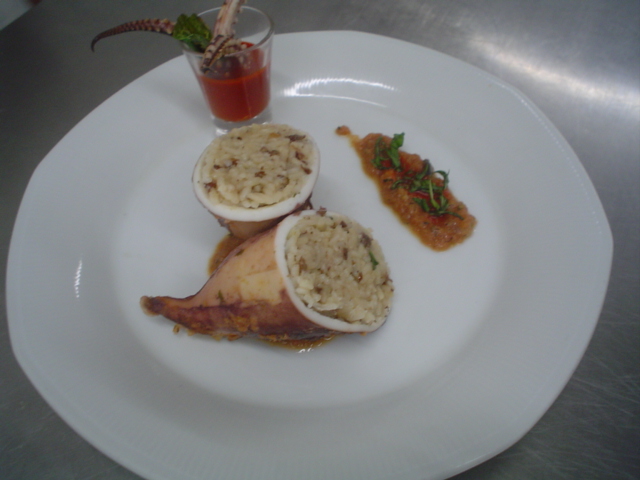
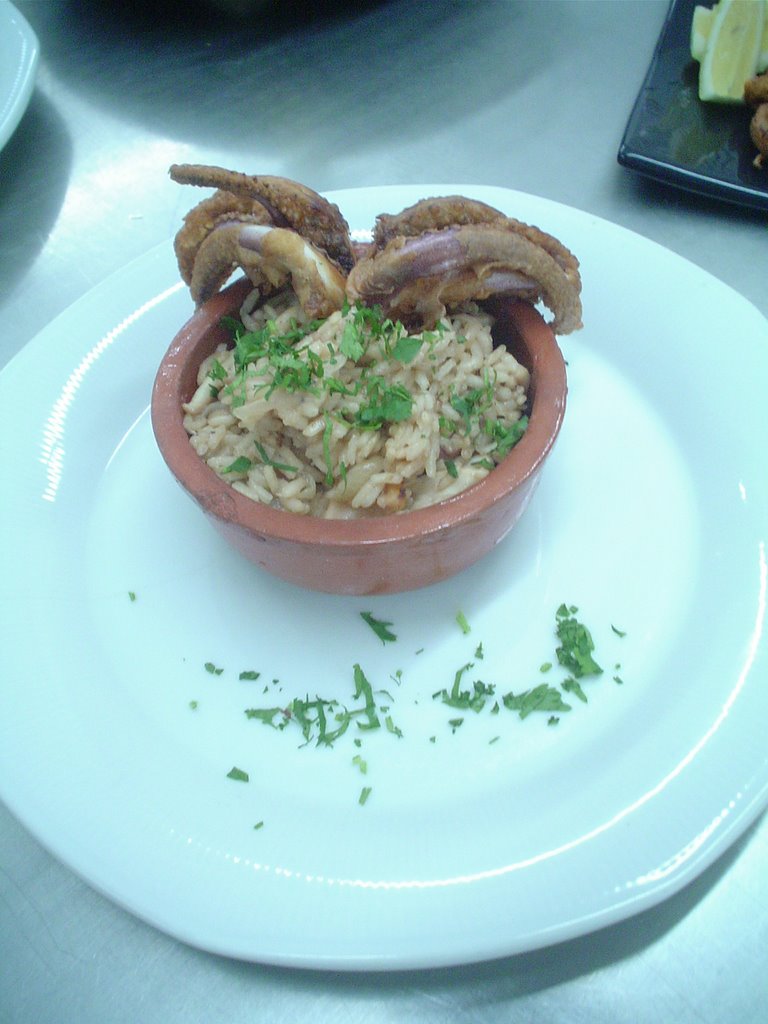
Hola a todos los lectores de mi blog, en esta ocasión les traigo unas fotografiasa que me parecieron expectaculares en cuanto a lo que es la gastronomía, sabiendo de antemano que somos estudiantes que recien aprendimos las nuevas técnias propias de una cocina Europea, como les digo les traigo el país España una comida muy pesada a mi parecer con alto nivel de Almidones, y bueno no esta por mas decir que por tener influencias de diferentes típos es así, esta ves en mi curso realizamos unos muy buenos platos no desmereciendo ninguno por el estilo pero me parecieron muy buenos los platos de la mesada de mi compañero de Clase Ezequiel P., Gabriel H. Ayala y Madero, relizarón una muy buena presentación con ideas nuevas y crativas veanlo por ustedes mismo en las siguientes fotos y les deseo las mejor de las felicitaciones y sigan asi que van ha llegar muy en alto jeje Posdata: de mis platos que realizamos tambien salieron bien... jeje espero que le guste.


miércoles, octubre 04, 2006
Regional II 04 Oct 06
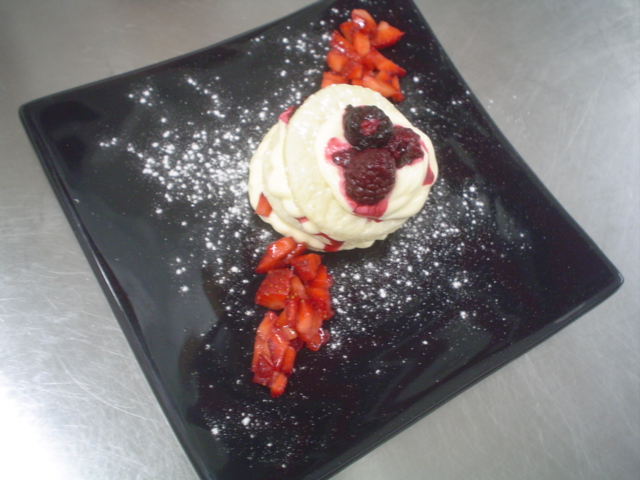
Hola A todos, este día en regional II vimos la fusión de Francia e Italia, por lo cual con mi grupo que son Camila, Laura Belén y Yo hicimos unas creaciones de platos muy interesantes espero que les guste, y que que conoscan un poco mas de la nueva cocina fusión que esta muy en alto en todo el mundo espero sus comentarios son pura invención de mi grupo hasta una proxima entrega amigos bye
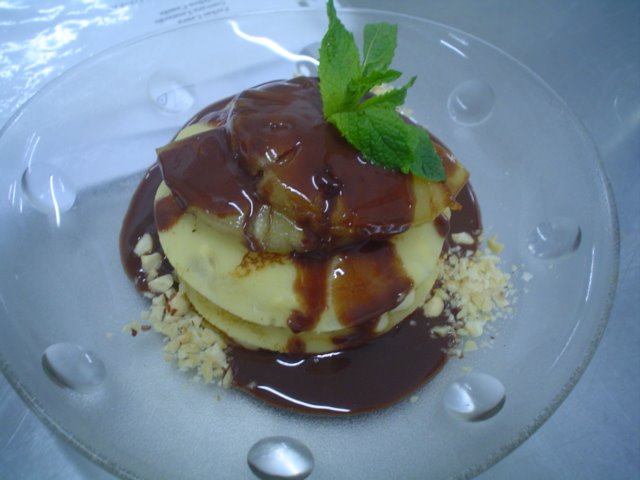
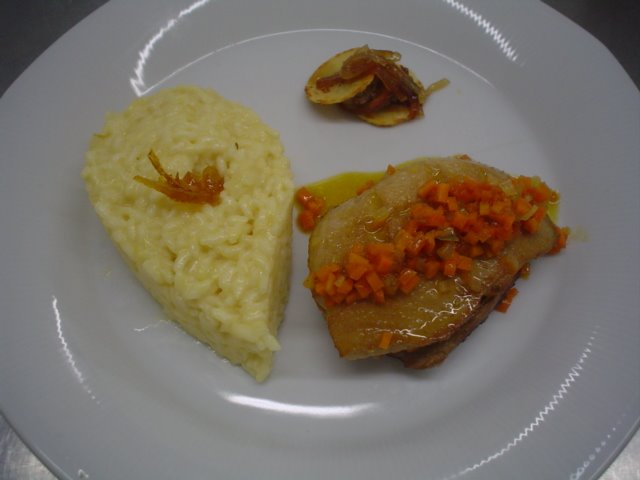
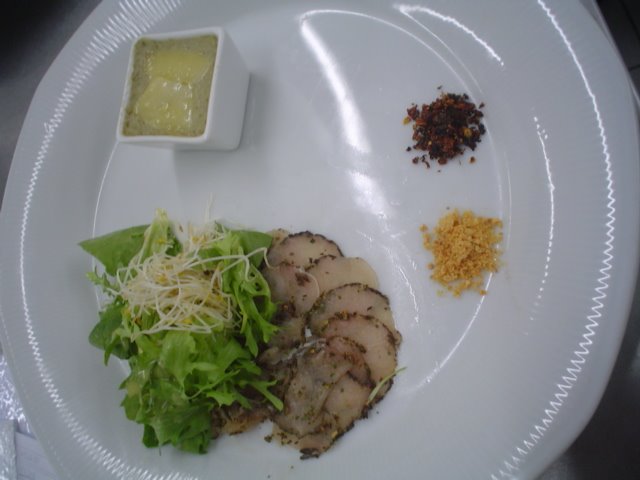
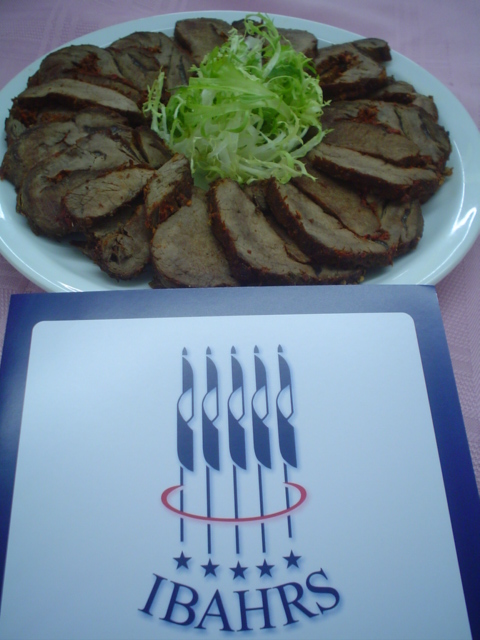
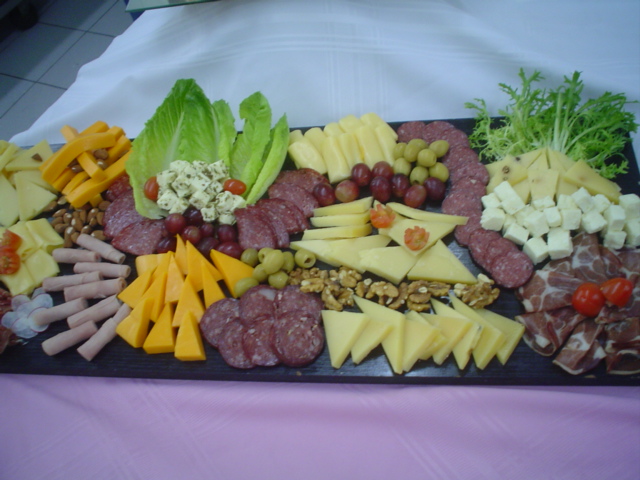
Bandeja de Embutidos Cocina Fria
jueves, septiembre 28, 2006
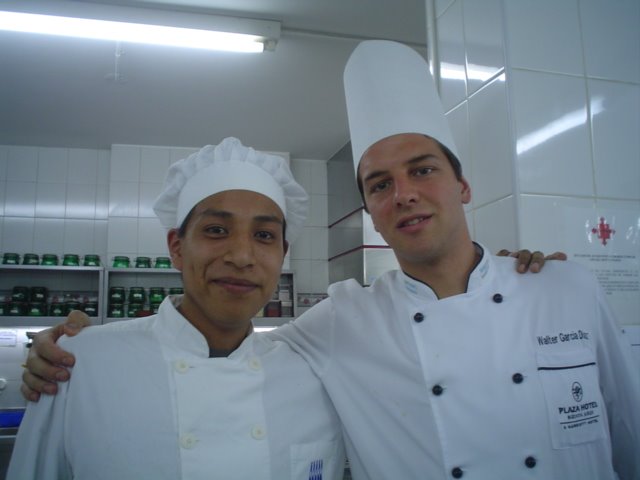
Chef Walter García y Leonardo Guevara
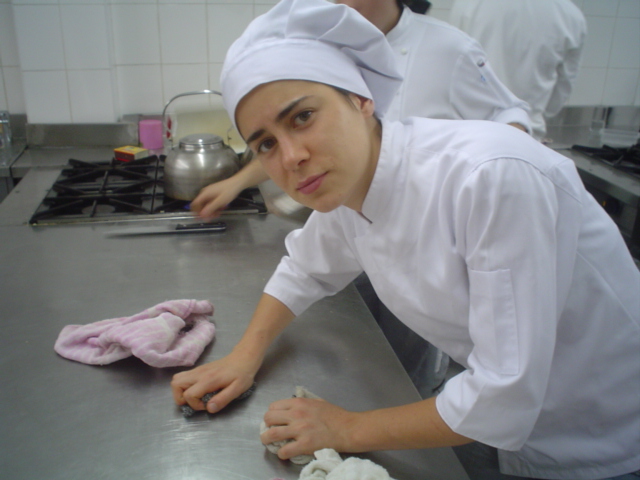
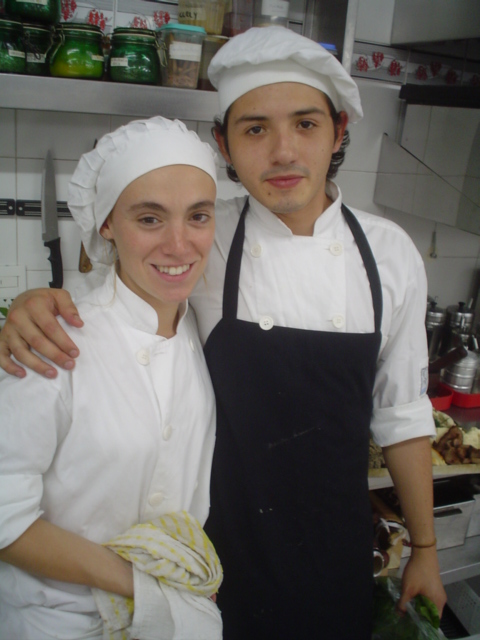
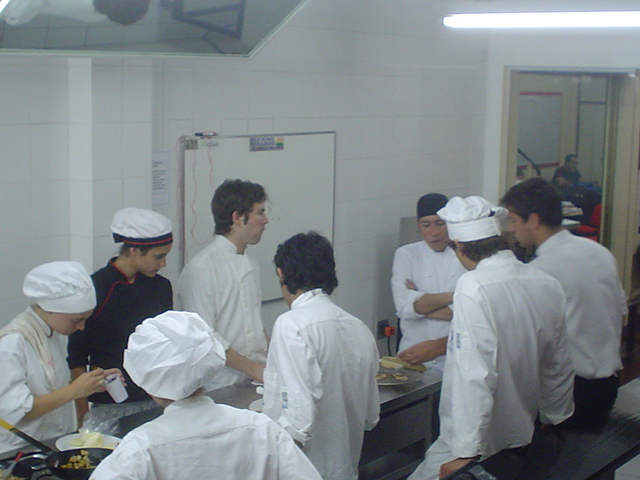
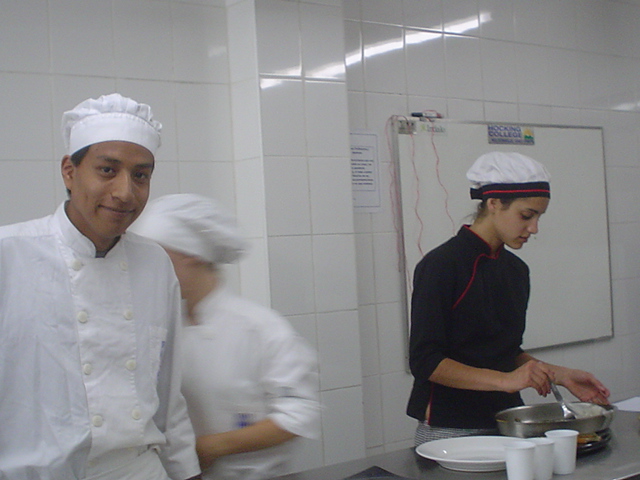
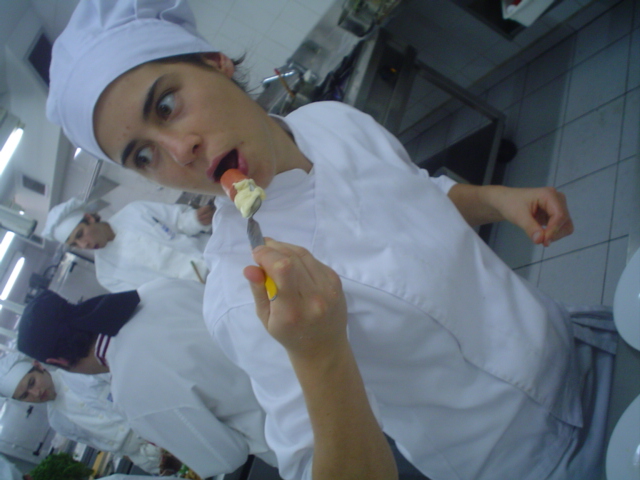
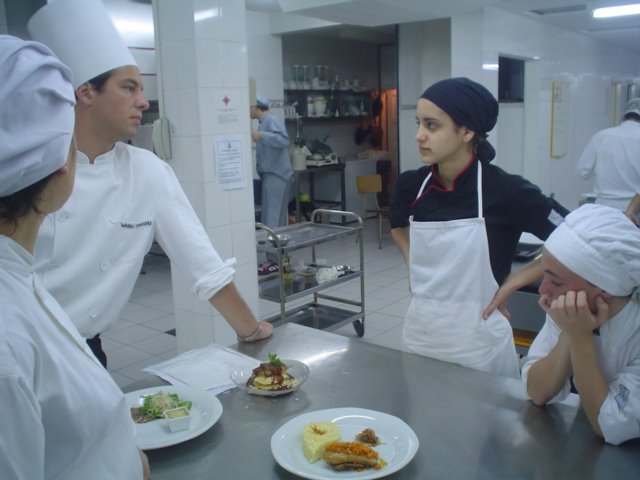
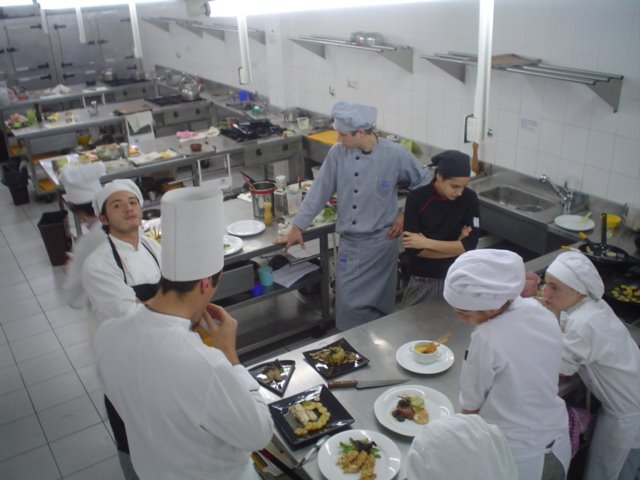
Hola queridos lectores, les cuento que esta ves les presento a mi Profesor Walter quien es a su ves Chef del Hotel Marriot Plaza, este ultimo año que estamos cursando con mis compañeros esta un poco mas interesante que los anteriores talves por lo que ya nos incentivas ha crear y realizar platos clásicos los cuales ponemos creo yo todo el empeño por sacar adelante con exigencias de parte de tu grupo y del profesor.En las demás fotos quiero que observen como todos en grupo nos ponemos ha analizar y ver los pro y contras de los platos realizados, en el cual me parece muy constructivo ya que unos saca muy buenas ideas y descarta otras para nuevas creaciones que seran a lo mejor rechasadas o tomadas para una nueva idea les dejo y espero comentarios por parte suya, desde ya muchas gracias.
Suscribirse a:
Entradas (Atom)
School Gatronomy Buenos Aires
Bienvenidos a todos los que desean o estan incursionando en el mundo de la gastronomia!!!! Disfrutenlo y Recuerden ¿Quién en el mundo no come...?